
 86 15267043800
 86 15267043800
Sprayed Glass vs Colored Glass: Key Differences
When choosing glassware for daily use, home decoration, restaurants, or special occasions, many people notice that some glass products have beautiful colors and unique finishes, but are unsure how those colors are created. Two common techniques used in glassware production are sprayed glass and colored glass.
Although both methods can create attractive glass products, they are different in terms of manufacturing process, appearance, durability, and suitable applications. Understanding these differences can help you choose the right glassware—whether you need practical glassware, elegant wine glasses, or decorative glassware for your table.
What Is Sprayed Glass?
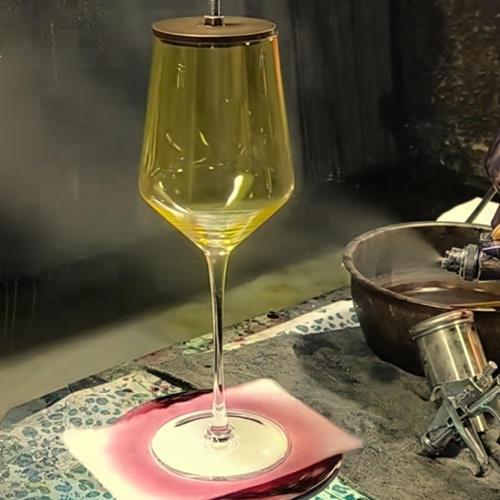
Sprayed glass refers to glass products that receive a colored coating or decorative layer on the surface through a spraying process. During production, a special color coating is sprayed onto the outside or inside surface of the glass, then treated through heating or curing to improve adhesion.
This method allows manufacturers to create many different designs, including solid colors, gradient effects, metallic finishes, matte surfaces, and customized patterns.
Advantages of Sprayed Glass
One of the biggest advantages of sprayed glass is design flexibility. Because the color is applied after the glass body is formed, manufacturers can easily create different visual effects without changing the original glass material.
For example, a simple transparent glass cup can be transformed into a modern colored drinking glass through spraying technology. This makes sprayed glass popular for:
✅️ Fashionable tableware collections
✅️ Event and promotional glassware
✅️ Decorative glass products
✅️ Customized restaurant glassware
Sprayed glass also offers more possibilities for surface decoration. Brands can add logos, patterns, or special finishes to match different styles.
Limitations of Sprayed Glass
The main difference is that the color layer exists on the surface rather than throughout the entire glass material. Therefore, the durability of sprayed glass depends heavily on the quality of the coating and the manufacturing process.
With long-term use, frequent washing, or strong friction, lower-quality sprayed surfaces may experience:
❎ Color fading
❎ Surface scratches
❎ Coating wear
For this reason, sprayed glass products should follow proper care instructions, especially when used frequently.
What Is Colored Glass?
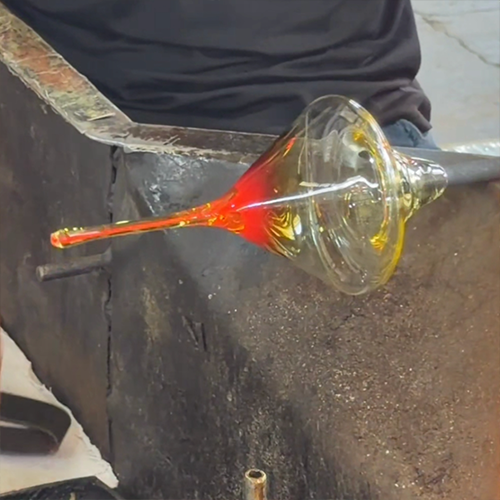
Colored glass is created by adding mineral elements or pigments directly into the glass mixture during manufacturing. The color becomes part of the glass itself instead of being added as an external layer.
For centuries, glassmakers have used different materials to create colors. For example, certain metal oxides can produce blue, green, amber, or other shades. Because the color is integrated into the glass structure, it remains consistent throughout the entire product.
Advantages of Colored Glass
The biggest benefit of colored glass is its natural and long-lasting appearance. Since the color exists inside the glass material, it does not easily peel off or wear away.
Colored glass is often chosen for premium tableware, including:
✅️ Elegant glass water cup designs
✅️ Decorative glass goblet styles
✅️ High-end dining collections
✅️ Handmade artistic glassware
When light passes through colored glass, it creates a unique visual effect that many people find more luxurious and sophisticated.
Limitations of Colored Glass
Compared with sprayed glass, colored glass usually requires more complex production techniques. The color must be controlled during the melting process, which can increase manufacturing difficulty and cost.
In addition, changing colors during production may require more preparation, making highly customized designs less flexible.
Sprayed Glass vs Colored Glass: Main Differences
1. Color Production Method
The most important difference is how the color is created.
Sprayed glass uses a surface coating process. The color is added after the glass product has already been formed.
Colored glass gets its color from materials mixed into the glass during production. The entire glass body contains the color.
2. Appearance and Style
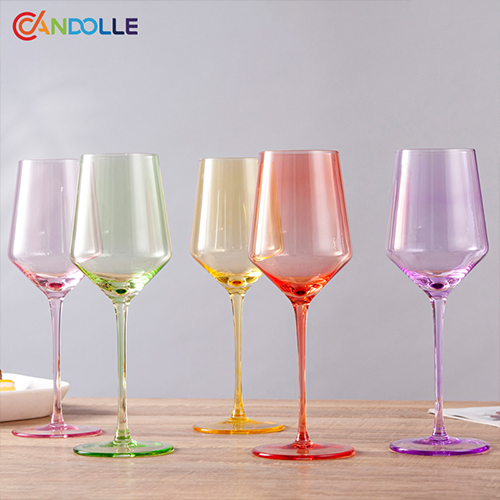
Sprayed glass usually provides more modern and creative finishes. It is suitable for customers who want unique colors, special textures, or customized designs. The colors are as shown in the picture below:
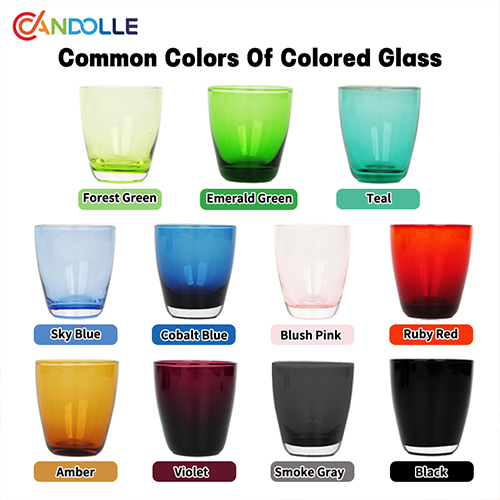
Colored glass has a more natural appearance. The color depth and light transmission often create a classic and premium feeling, especially for elegant table settings. The common colors are as follows:
3. Durability
Because colored glass has color throughout the material, it generally offers excellent color stability.
Sprayed glass can also be durable when produced with high-quality coatings, but the surface requires more careful handling to maintain its appearance.
4. Application
Different glassware types may suit different coloring methods.
For everyday drinking products such as a glass water cup, both sprayed and colored glass can be good choices depending on the design and usage needs.
For special occasions, a beautifully designed glass wine glass or glass goblet with natural colored glass often creates a more premium dining atmosphere.
For restaurants, hotels, and gift collections, sprayed glass may provide more opportunities for branding and customized designs.
How to Choose Between Sprayed Glass and Colored Glass?
The right choice depends on your purpose, budget, and design expectations.
Choose sprayed glass if you need:
✅️ More color choices
✅️ Custom patterns or logos
✅️ Trendy and creative designs
✅️ Cost-effective decorative glassware
Choose colored glass if you prefer:
✅️ Long-lasting color
✅️ A premium handmade appearance
✅️ Classic tableware styles
✅️ A more natural glass texture
Before purchasing, it is also important to consider how the glass will be used. Daily drinking glasses need to balance beauty and practicality, while decorative pieces may focus more on appearance and artistic value.
Product Recommendation: Find the Right Glassware for Your Collection
Whether you prefer the modern style of sprayed glass or the timeless beauty of colored glass, choosing reliable glassware quality is essential. A well-made glass product should have a comfortable shape, smooth edges, a stable structure, and a finish that matches its intended use.
Our collection offers carefully designed glass products for different occasions, including stylish drinking glasses, elegant wine glasses, and decorative glassware options. With various shapes, colors, and customization possibilities, you can find the right solution for homes, restaurants, hotels, and gifting needs.
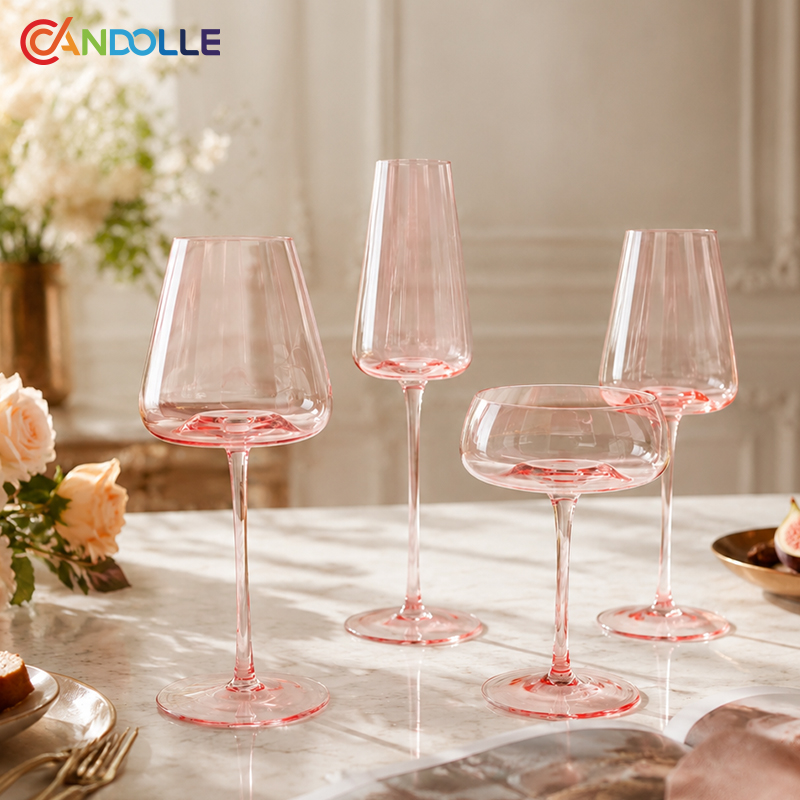
This sprayed pink flamingo wine glass undergoes integrated high-temperature spray coloring across its cup body, stem, and base, forming a seamless soft translucent pastel pink finish without mottled color or bare clear glass areas. The outer pink coating is firmly heat-locked to resist fading and abrasion after repeated washing, while the fully transparent inner wall lets you view the natural hue of drinks without color distortion.
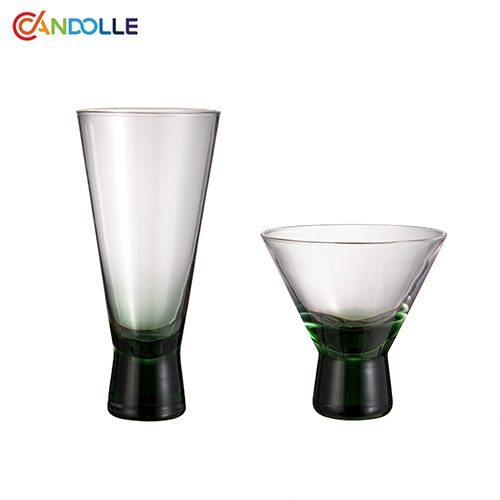
And this gradient emerald green trumpet-shaped cocktail glass incorporates the color into the glass during the blowing process, resulting in a very smooth color transition that won't fade over time. The outward-flaring rim provides ample space for cocktail garnishes (olives, mint leaves, citrus peels), ensuring a smooth and comfortable drinking experience.
Frequently Asked Questions (FAQ)
Is sprayed glass safe for drinking?
Yes, high-quality sprayed glass designed for food and beverage use is generally safe. However, buyers should choose products made with suitable coatings and follow care instructions to maintain the surface quality.
Does colored glass fade over time?
High-quality colored glass usually keeps its color for a long time because the color is integrated into the glass material. Unlike surface coatings, the color does not easily disappear through normal use.
Is colored glass more expensive than sprayed glass?
In many cases, colored glass can be more expensive because the coloring process requires additional control during glass production. However, the final price also depends on the shape, craftsmanship, and quantity.
Conclusion
Understanding the differences between these two techniques will help you make more informed decisions when choosing glasses, wine glasses, stemmed glasses, and other glassware. The best choice is a product that meets your style, usage needs, and quality expectations.