
 86 15267043800
 86 15267043800
Maison Objet 2026: 5 Trends Glassware B2B Buyers Need to Know
Maison&Objet Paris 2026 took place from September 10–14 in Paris under the theme Pulse in Motion.”The show highlighted new ideas around color, craftsmanship, sensory experiences, and changing lifestyles.
The products showcased at this expo reflect a shifting market; glassware is no longer merely for holding water, wine, or cocktails. Consumers are increasingly seeking products that combine functionality, color, texture, and craftsmanship with a distinctive visual identity.
For B2B buyers in the hospitality, food and beverage, retail, and home décor sectors, these shifts are also reflected in the latest glassware collections. Understanding the market signals emerging from this expo is therefore key to gaining a competitive edge in future sales.
1. Colored Crystal Glassware: From Clear Glass to More Expressive Tableware
Clear glass will always have a place in the market, but at this year’s Paris trade show, one noticeable trend was the growing presence of colored and translucent glassware.
Rather than relying on bright or highly saturated colors, many designs are moving toward softer, more transparent tones that allow the light and clarity of the glass to remain visible.
Some of the colors we noticed include:
✅️ Amber
✅️ Smoke gray
✅️ Pink
✅️ Green
✅️ Cobalt blue
✅️ Other soft hues
These colors are gradually appearing on wine glasses, tumblers, cocktail glasses, and decorative tableware. The result is glassware that keeps the elegance and lightness of glass while bringing more personality to the table.
For B2B buyers, colored glassware can also be useful for building a coordinated collection. The same basic glass shape can be developed in several colors, giving retailers more merchandising options and allowing restaurants, hotels, and hospitality brands to create a more distinctive table setting.
More importantly, color is no longer simply about surface decoration. When color is incorporated into the glass itself, it becomes part of the material and the character of the product. This makes color an important element for brands looking to create a recognizable and differentiated glassware collection.
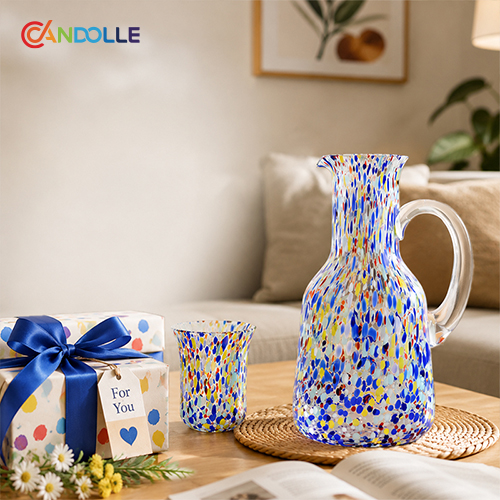
CANDOLLE Confetti Glass Pitcher Set: The pitcher and glasses are adorned with bright, multicolored glass speckles, creating a visual effect reminiscent of festive confetti fluttering through the air. This vibrant artistic style instantly brightens up any table setting, serving the dual purpose of a functional cold-beverage pitcher and a decorative centerpiece.
Crafted from high-clarity, lead-free crystal glass, the material features a beautiful interplay of textures; the pristine, transparent glass blends seamlessly with colorful glass fragments, creating dynamic light and shadow effects through refraction. With its inherently cheerful and spirited palette, the set is perfect for family gatherings, holiday celebrations, patio lunches, or summer parties. Whether serving lemonade, iced tea, fruit juice, or cocktails, it beautifully enhances the presentation of the beverages.
2. Textured Glassware: Adding Touch and Visual Interest
Textured glassware has gained increasing popularity in recent years. La Rochère is a notable example; its "Lyon" wine glass—which blends traditional decorative glass craftsmanship with a classic silhouette—was showcased as part of the brand's collection at the Maison&Objet trade fair in Paris.
Other popular texture styles include:
✅️ Ribbed surfaces
✅️ Wavy patterns
✅️ Diamond patterns
✅️ Embossed designs
✅️ Other raised details
These textures lend greater visual impact to ordinary glasses and stemware. As light passes through the textured surfaces, the glass creates dynamic reflections and shadows, making the pieces even more captivating on the dining table.
For B2B buyers, texture is not only a design decision. It can also affect production costs and quality control.
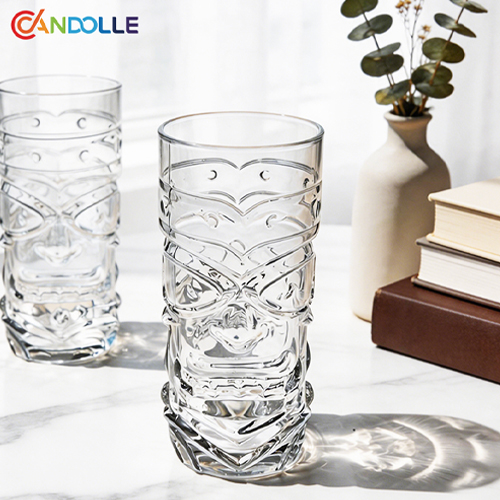
CANDOLLE Tiki Glass: Featuring an exquisite, classic Polynesian mask relief design, this glass exudes exotic flair and breaks the monotony of traditional straight-sided tumblers. Crafted from high-clarity crystal glass with exceptional light refraction, it perfectly showcases the vibrant colors and gradients of tropical cocktails. It is an ideal choice for brands that prioritize quality and product differentiation.
With an optimal capacity of 20–21 ounces (approx. 520 ml), it is tailor-made for tropical cocktails like the Mai Tai and Rum Punch that require generous amounts of crushed ice. The thickened base and sturdy walls provide a substantial, premium feel in the hand while offering thermal insulation to slow ice melt. Whether for home gatherings, themed parties, or commercial bar service, this glass instantly evokes a summer vacation vibe and serves as a striking, photogenic centerpiece.
3. Designed Handmade Glass: When Small Differences Become Part of the Product
Handcrafted glassware is also evolving in a more modern direction. Take, for example, BE HOME’s recycled glass collection: crafted from repurposed Coca-Cola bottles using mouth-blowing techniques, each glass features unique variations in shape, air bubbles, and color.
Handcrafted glassware is characterized by:
✅️ Natural air bubbles resulting from the mouth-blowing process
✅️ Subtle variations between individual pieces
✅️ Smoother lines achieved through manual fine-tuning
✅️ Greater freedom in creating unique forms
Mass-produced glassware is no longer uniform; each piece is distinct. Fortunately, many brands do not view these variations as flaws, but rather leverage them to showcase a unique, artisanal aesthetic—an approach that aligns well with the overarching design trends seen at this year’s Maison&Objet.
This style can work particularly well for boutique hotels, restaurants, concept stores, interior retailers, and premium homeware collections.
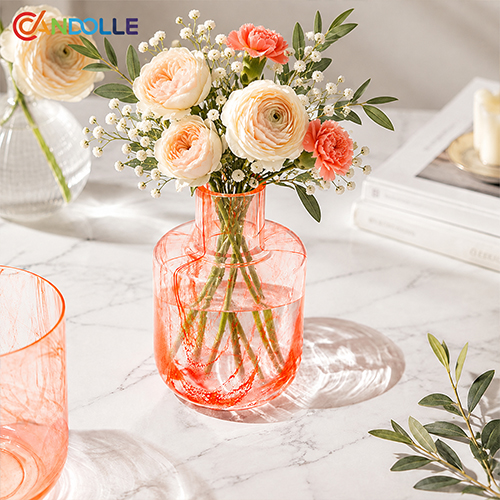
CANDOLLE Swirl Pink Vase: The red-and-white marbled veining resembles natural stone or flowing ripples. Created using traditional hand-blowing or specialized fluid-line techniques, each vase features a unique pattern distribution, embodying a distinctive artistic flair and an aesthetic of organic irregularity. The fusion of clear glass and colored glass filaments creates rich refractive effects when illuminated.
Its design—featuring a narrow neck and a rounded, cylindrical body—balances classical elegance with the sleek, minimalist lines of modern style. With its striking red-marble aesthetic, the piece serves as more than just a functional vessel for hydroponics or floral arrangements; it stands as a decorative object in its own right. Even without flowers, it functions as a standalone work of art or tabletop accent that elevates the ambiance of a room, making it an ideal choice for home décor, interior design, and the premium gift market.
4. Traditional Glassware Is Becoming More Decorative
Classic wine and water glasses haven't disappeared; instead, they have been reimagined with added decorative details. Beyond the "Lyonnais" wine glass, La Rochère’s collection for Maison&Objet features decorative drinking glass and cocktail glass lines such as "Cerf" and "Chicago."
These new glass designs incorporate elements such as:
✅️ Relief patterns
✅️ Decorative stems
✅️ Cut-glass detailing
✅️ Vintage-inspired shapes
These features are giving traditional glassware a fresh look. This reflects a broader shift in tableware design: glassware is increasingly becoming an integral part of table décor rather than serving merely as functional vessels.
For retailers, this creates an opportunity to market glassware as part of a complete table setting. Displaying glasses alongside dinner plates, tablecloths, candlesticks, and other decorative items helps evoke a more inviting, lifestyle-oriented atmosphere.
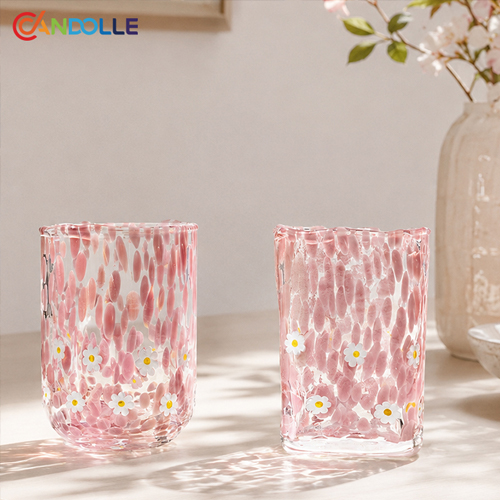
CANDOLLE Pink Daisy Glass Candle Jar: The vessel is mouth-blown, featuring pink glass speckles fused into the body to evoke the texture of handcrafted Murano glass. The irregular, varying shades of the speckles create a unique sense of depth and a delightful springtime atmosphere when light refracts through the glass. Adorning the surface are raised white daisies; their yellow centers contrast strikingly against the pink background, conveying a message of purity, innocence, and hope—a truly soothing visual experience.
The rim and body feature natural, fluid, and subtly raised textures; this handcrafted, water-ripple effect breaks the monotony of mass-produced glassware, offering a warm, comfortable grip that is secure in the hand. A quintessential piece of "Instagram-style" aesthetic decor, it creates distinct visual effects when filled with milk, iced Americano, fruit juice, or sparkling water, making it a perfect prop for styling and photographing home afternoon tea sessions.
5. Ordinary Wine Glasses Are Becoming More Experiential
The theme of the 2026 Maison&Objet fair—"Pulsation"—focuses on movement, emotion, sensory experiences, and the relationship between people and design. This reflects a shift in ordinary glassware: moving beyond mere utility to offering buyers a more intense sensory experience.
These concepts are embodied in various aspects of the glassware:
✅️ Weight
✅️ Surface texture
✅️ Light reflection
✅️ Color
✅️ The sound produced upon impact or placement
Each of these characteristics shapes the user experience. This evolution is particularly evident in wine and cocktail glasses; consumers are no longer simply purchasing a "glass," but rather a specific "drinking experience."
For B2B buyers, this means that market competition is not always driven solely by price. A glass featuring a unique shape, intriguing texture, striking color, or a clear design concept offers a distinct competitive advantage over standard commercial glassware.
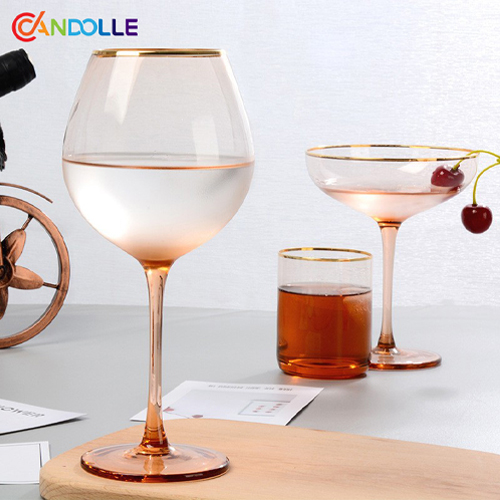
CANDOLLE Rose Gold Rimmed Glassware: Featuring a hand-painted gold rim, this glass exudes a sense of "affordable luxury" with its opulent, vintage-inspired aesthetic. Crafted from high-quality rose-gold-tinted glass, its shimmering, soft hue creates a striking visual impact on any dining table or bar counter—an ideal choice for B2B buyers looking to enhance product distinctiveness.
Made from premium lead-free crystal glass, the vessel features thin walls and exceptional clarity and light refraction, making red wines, sparkling wines, and other beverages look truly enticing. The hand-blown silhouette is sleek and elegant; the long stem ensures a comfortable grip while preventing body heat from affecting the drink's temperature.
This series offers a comprehensive solution for various social settings, featuring a wide bowl that allows red wine to breathe and fully develop its aroma. With its classic vintage style, it is perfect for weddings, Valentine's Day, girls' gatherings, or festive parties. The romantic rose-gold palette makes it an exquisite gift for women, newlyweds, or housewarming celebrations—an excellent choice for brands targeting the high-end market.
What Should B2B Glassware Buyers Do Next?
Not every trend needs to be adopted at once.
A practical approach is to start with an existing best-selling shape and test one or two new design elements.
For example:
✅️ Upgrade a clear tumbler with smoky grey or amber glass.
✅️ Add ribbed or embossed details to a standard drinking glass.
✅️ Introduce colored stems to a classic wine glass.
✅️ Develop handmade glassware with subtle variations and artisan details.
✅️ Build a coordinated collection around wine, cocktails, dining, and entertaining.
Finding a Reliable Glassware Supplier for Your Business
Whether you are planning to switch suppliers, enter the glassware industry, or expand your brand's product line, selecting the right supplier is a crucial step in building a successful glassware collection. A professional supplier can support your business by providing:
✅️ Consistent product quality and production capacity
✅️ Flexible customization options
✅️ Professional packaging and shipping support
✅️ Rapid response and long-term partnership
If you are looking for a reliable glassware partner, please contact us to learn more about our products and customization options.
FAQ
Is colored glassware suitable for wholesale?
Yes. Colored glassware can work well for wholesale because different colors can turn one basic shape into a complete collection. However, buyers should check color consistency, MOQ, production capacity, and replenishment options before ordering.
Is handmade glassware suitable for hotels and restaurants?
Yes, particularly for boutique hotels, independent restaurants, and premium hospitality projects. Buyers should pay close attention to production capacity and consistency because handmade products can naturally have more variation than fully machine-made glassware.
What is the difference between decorative and functional glassware?
Functional glassware mainly focuses on capacity, durability, usability, and performance. Decorative glassware adds visual and tactile elements such as color, texture, embossing, unusual shapes, or decorative stems. Many 2026 collections combine both.
Final Takeaway
Colored crystal glass, textured surfaces, handmade details, decorative traditional forms, and more experiential wine glasses are giving B2B buyers new ways to differentiate their collections.
For buyers, the best sourcing strategy is to look beyond the sample itself. A successful glassware product needs the right combination of design, quality, price, production capability, packaging, and reliable long-term supply.
That is where a strong glassware supplier can make the difference between an attractive sample and a product that actually works in the market.