
 86 15267043800
 86 15267043800
Eco-Friendly Glassware Packaging: How to Reduce Breakage, Plastic Waste and Shipping Costs
When you buy glassware in bulk, choosing the right packaging is not just about putting the products in a carton and shipping them out. You need packaging that protects fragile glass during transportation, keeps costs under control, looks professional, and creates less unnecessary waste.
For many importers, wholesalers, retailers, and glassware brands, this has made eco-friendly packaging an increasingly important part of the sourcing process.
But sustainable packaging does not simply mean replacing plastic with paper. The better approach is to find a packaging solution that balances environmental impact, product protection, cost, and shipping efficiency.
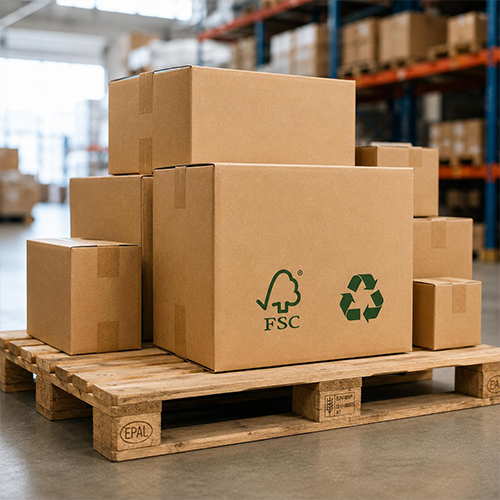
Why Does Eco-Friendly Packaging Matter for Glassware?
Glass is durable, reusable, and widely recyclable, but it is also fragile and relatively heavy. During international transportation, poor packaging can lead to scratches, chips, cracks, or complete breakage.
That creates two problems: product loss and additional packaging waste.
For B2B buyers, the goal is therefore not to use the least amount of packaging possible. The goal is to use the right amount of packaging in the right structure.
A well-designed package can:
✅️ Protect glassware during handling and transportation
✅️ Reduce unnecessary plastic and filler materials
✅️ Improve carton utilization
✅️ Make products easier to unpack and sort
✅️ Support your brand's sustainability goals
✅️ Help control packaging and logistics costs
This is especially useful when you are ordering thousands of glasses, jars, bottles, or other fragile products.
Our Perspective on Eco-Friendly Glassware Packaging
As glassware suppliers, we consider sustainable packaging alongside product design and export requirements. Depending on the product and order volume, packaging can be customized using corrugated cartons, paper dividers, kraft paper, or other suitable materials.
The key lies not in simply replacing all plastic components with paper-based materials; rather, we view the product, packaging structure, and shipping/loading efficiency as an integrated system.
This approach helps buyers strike a practical balance between protection, sustainability, and cost.
If you are sourcing glassware for retail, hospitality, food service, or private-label brands, please discuss your packaging requirements with your supplier at the start of the project, rather than after product development is complete.
What Makes Packaging Eco-Friendly?
There is no single material that is automatically the best choice for every product.
When evaluating sustainable packaging for glassware, look at the complete packaging system rather than one material alone.
1. Material Selection
Common paper-based options include corrugated cardboard, molded pulp, kraft paper, honeycomb paper, and paper dividers.
These materials can often reduce the need for plastic or foam, while also offering practical protection for fragile products.
However, always check the actual specifications and disposal system in your target market. "Recyclable" does not necessarily mean that every local recycling system will accept the material.
2. Product Protection
This is particularly important for glassware.
A packaging solution that looks environmentally friendly but allows products to break during shipping is not an efficient solution.
The inner packaging should keep individual items separated, reduce movement inside the carton, and provide enough cushioning around vulnerable areas.
3. Packaging Efficiency
More packaging does not always mean more protection.
For example, excessive empty space inside a carton can allow glass products to move during transportation. A properly sized insert or divider may provide better protection with less material.
For bulk buyers, packaging efficiency can also influence carton dimensions, pallet utilization, container loading, and freight costs.
Popular Eco-Friendly Packaging Materials for Glassware
Different glass products require different packaging structures.
Corrugated Cardboard
Corrugated cardboard is one of the most widely used materials for export packaging.
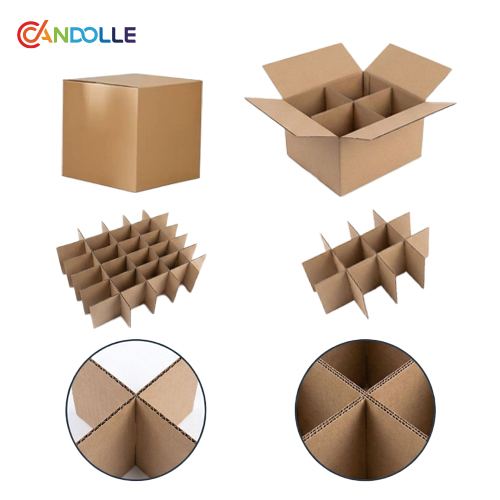
It can be used for outer cartons, inner boxes, partitions, and protective layers. For glass cups and bottles, cardboard dividers can create separate compartments and help prevent products from hitting each other.
It is a practical option when you need a balance between protection, customization, and cost.
Wooden Frames and Wooden Crates
Wooden frames and wooden crates are another packaging option for glassware, especially when products require a higher level of protection during long-distance transportation.
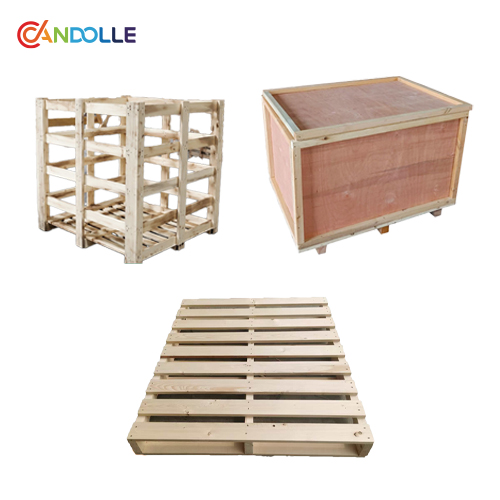
A wooden frame can be built around a carton or pallet to provide additional structural support without completely enclosing the products. A wooden crate, on the other hand, provides a more enclosed and rigid protective structure and can be used when the shipment requires a higher level of physical protection.
They may not be the lightest option, but for certain glassware products, their strength and protection can make them a practical alternative to using large amounts of plastic cushioning or other protective materials.
Eco-friendly Packaging Solutions
Depending on the shape, weight, fragility, and packaging method of the glassware, other eco-friendly paper packaging options are also available:
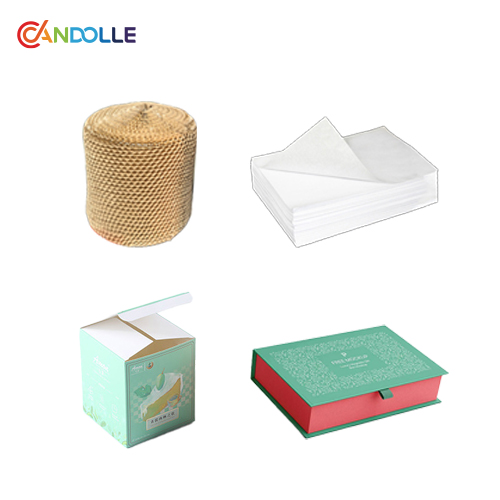
✅️ Honeycomb paper
✅️ White tissue paper
✅️ Printed paper boxes
✅️ Paper gift boxes
Honeycomb paper offers extra cushioning protection while retaining the natural properties of paper. These solutions are highly practical if you wish to reduce the use of plastic bubble wrap or similar materials.
How to Choose the Right Packaging for Your Glassware
Before placing a large order, ask your supplier a few practical questions.
Consider the Product
Start with the type of glassware. Different shapes have different vulnerabilities, so the packaging design should be centered around the product itself.
| Glassware | Main Risk | Suitable Packaging |
| Stemmed wine glasses | Stem & bowl breakage | Corrugated dividers + individual protection |
| Tumblers | Impact between glasses | Paper dividers / molded pulp |
| Glass carafes | Handle & spout breakage | Customized inserts |
| Decanters | Neck and body impact | Structured inner support |
| Vases | Large surface area | Corrugated partitions + cushioning |
| Candle holders | Point impact | Individual compartments |
| Handmade colored glass | Surface scratches /svariation | Customized separation |
Consider the Shipping Method
Packaging requirements can vary depending on whether your products are shipped by sea, air, truck, or through parcel delivery.
For international container shipments, the packaging may need to handle repeated loading, unloading, vibration, stacking, and changes in handling conditions.
Consider Your Order Volume
A small retail order and a full container shipment may need very different packaging strategies.
For larger volumes, even a small change in carton dimensions or packing structure can affect the total number of units loaded per pallet or container.
Ask for Samples Before Mass Production
If you are testing a new packaging design, request samples before approving mass production.
Check whether:
✅️ The glassware fits securely
✅️ Products touch each other
✅️ Inserts remain stable
✅️ The package can be stacked properly
✅️ The final packed product looks suitable for your market
A packaging sample can often reveal problems that are difficult to see in a quotation or drawing.
Final Thoughts
Sustainable Packaging = Materials + Product Protection + Packaging Efficiency + Logistics.
For B2B buyers, the best time to discuss packaging is before production begins. When the glassware, inner packaging, outer carton, and shipping method are considered together, it becomes much easier to build a solution that works in real-world transportation.
A well-designed package can protect more than your products—it can also help protect your costs, your brand, and your customers' experience.
Find Reliable Suppliers for Your Business.
Before Approving Your Glassware Packaging, Ask Your Supplier:
✅️ Has the packaging been tested with the actual glassware?
✅️ How many pieces fit into one carton?
✅️ What is the carton size?
✅️ How many cartons fit on one pallet?
✅️ How many units fit into one 20GP / 40HQ container?
✅️ What materials are used for inner protection?
✅️ Can plastic be reduced without increasing breakage?
✅️ Has the packaging been tested for stacking and transportation?
✅️ Can the packaging be customized for different glass shapes?