
 86 15267043800
 86 15267043800
Japanese-style glassware: Types, Uses, and Sourcing Guide
Japanese-style glassware combines simple forms, subtle textures, and a clean aesthetic. For restaurants, bars, hotels, retailers, and distributors, it can be a practical way to bring Japanese-inspired design into a tableware collection.
What Is Japanese-style Glassware?
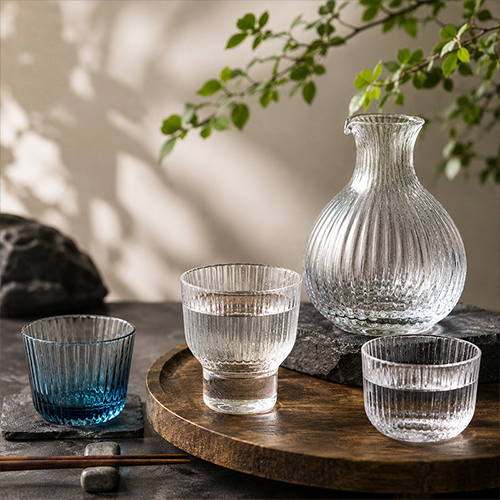
Japanese-style glassware refers to drinking and serving glasses influenced by Japanese drinking culture and design. Compared with traditional ceramic or wooden sake vessels, glass offers a more contemporary look while allowing the color and clarity of the drink to remain visible.
Common applications include:
✅️ Japanese restaurants and sake bars
✅️ Hotels and hospitality businesses
✅️ Cocktail bars
✅️ Homeware retailers
✅️ Gift and lifestyle brands
✅️ Restaurant supply distributors
The best choice depends on how and where the product will be used.
Main Types of Japanese-style Glassware
Japanese Sake Cup: A New Trend in Dining and the Kitchen
Small sake cups are suitable for sake tasting, restaurant service, and specialty beverage retailers.
Modern sake glasses can also work well in contemporary bars and restaurants that want a Japanese-inspired look without a highly traditional table setting.
Parameters to consider when purchasing these cups:
✅️ Capacity
✅️ Rim shape
✅️ Weight
✅️ Stability
Using these small cups exudes elegance and tranquility, making them increasingly popular among younger consumers in today's fast-paced lifestyle.
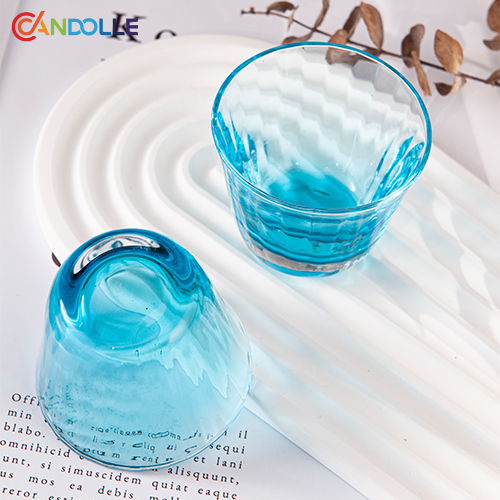
CANDOLLE Ocean Blue Gradient Sake Glass: This 50ml small-mouthed sake glass is perfect for sake, baijiu, and other spirits that require slow sipping. The wide mouth, tapering base, and thick bottom provide a satisfying grip and are easy for the Asian hand to hold and enjoy slowly. This design is ideal for restaurants, retail collections, and modern Japanese tableware.
The glass is decorated with vertical stripes, adding texture while maintaining a clean overall design, making it a popular choice for buyers seeking simplicity without sacrificing visual appeal. Made of solid colored glass, it's safe for contact with food and beverages and won't react with the sake, preserving its original flavor; at the meanwhile, the color won't fade or peel with frequent use.
Simple Sake Drinking Set: A Useful B2B Format
A small serving carafe can be paired with matching drinking glasses to create a complete product.
For retailers, sets can have stronger gift appeal. For restaurants, matching vessels can create a more consistent table presentation.
Before ordering, compare:
✅️ Cup and carafe capacity
✅️ Overall product size
✅️ Packaging dimensions
✅️ Shipping weight
✅️ Replacement availability
✅️ Target retail price
For retailers, sets can be easier to position as gifts or starter products. For hospitality businesses, matching pieces can improve table presentation.
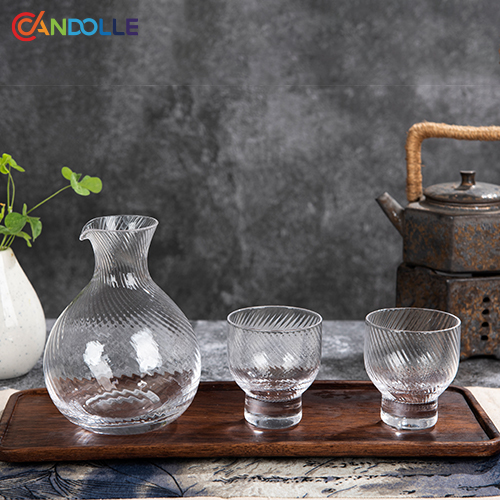
CANDOLLE Transparent Spiral Sake Set: If you're looking to sell a complete drinking experience rather than just individual sake cups, a simple and stylish sake set might be a good choice. This set uses a hand-blown technique, resulting in lightweight cups. The rims of the cups and the spout are hand-polished, ensuring a comfortable and gentle drinking experience. The spiral pattern on the outside of the cups and spout enhances both grip and aesthetics.
The spout's design resembles a Japanese "deli" (a type of sake bottle), with a narrow neck for easy gripping and a rounded, full belly that concentrates aroma and facilitates pouring. The spout features an elegant, beak-shaped design that ensures a clean pour without spilling. Made of lead-free crystal glass, the set offers excellent transparency, allowing you to clearly see how much sake remains in the bottle. Ideal for retailers focusing on home, kitchen, and gift items to enrich their shelves.
Customization and Private Label
Japanese-style glassware can also work well for private-label collections.
Depending on the supplier, customization may include:
✅️ Logo application
✅️ Custom packaging
✅️ Color or surface finishes
✅️ Custom shapes
✅️ Custom molds
However, custom development usually means higher minimum order quantities, additional mold costs, and longer lead times. If you are testing a new market, starting with existing designs can reduce inventory risk.
If you find that existing styles may not meet your requirements, or you need to add elements of your own business, you can contact us. Our professional team will provide you with satisfactory service.
How to Choose the Right Supplier
Price should not be the only factor when comparing suppliers. The key is to select products based on both **design and business requirements**.
Before placing an order, evaluate the sample, confirm specifications, check packaging, understand MOQ and lead time, and compare the supplier's overall capability rather than choosing based on price alone.
Look at the complete commercial package:
Product Quality
Compare samples for dimensions, weight, finish, texture, and consistency.
Quality Control
Ask how the supplier handles inspections and defective products. Clear quality standards are much more useful than general claims such as "premium quality."
Export Experience
For international orders, a supplier with experience in export packaging and glassware logistics can reduce shipping and breakage problems.
Communication
A reliable supplier should be able to provide clear answers about specifications, MOQ, lead time, packaging, customization, and documentation.
Final Thoughts
Japanese-style glassware offers B2B buyers a useful combination of simple design and commercial versatility. It can fit Japanese restaurants and sake bars while also working for hotels, retailers, lifestyle brands, and private-label collections.
Beyond product quality, a good supplier should offer stable production, clear communication, reliable quality control, export experience, flexible customization, and consistent delivery. The right partner should understand your market and support your business as it grows.
FAQ
Is Japanese-style glassware suitable for restaurants?
Yes. It can work well in restaurants, bars, hotels, and other hospitality settings. Buyers should confirm durability, cleaning requirements, dimensions, and commercial-use suitability.
What should I check when buying Japanese-style glassware wholesale?
Focus on capacity, dimensions, weight, glass quality, rim and base finish, packaging, MOQ, lead time, customization, and relevant compliance documentation.
Should I choose traditional or modern Japanese-style glassware?
It depends on your market. Traditional designs may suit Japanese restaurants and specialty sake businesses, while modern designs can be easier to sell across restaurants, bars, hotels, and lifestyle retailers.
If you are looking for a reliable supplier for your next glassware project, consider exploring our [Japanese-style glassware sourcing service] and sending us your inquiry so we can discuss suitable products, samples, prices, and customization options.